Inclusive development requires more than good intentions. It demands coordinated action, shared accountability, and partnerships that bring together diverse strengths.
In South Africa, socioeconomic challenges are interconnected, spanning education, youth unemployment, gender-based vulnerability, and limited access to economic opportunity. Addressing these realities requires collaboration across sectors, with interventions that complement one another and respond to the full spectrum of community needs.
At the Cyril Ramaphosa Foundation, this collaborative approach has shaped how we understand inclusive development. Our experience has shown that sustainable impact is strengthened when efforts across education, social support, youth advancement, and economic participation are aligned.
Strengthening basic education, for example, creates a foundation for opportunity. Through Adopt-a-School Foundation and KST, support for schools, educators, and learners helps improve learning environments and outcomes, laying the groundwork for future success.
Inclusive development, however, extends beyond education alone. The Thari Programme focuses on women and children facing vulnerability, providing psychosocial support and empowerment initiatives that contribute to stronger families and more resilient communities. This social support is critical in ensuring that development is both economic and human centred.
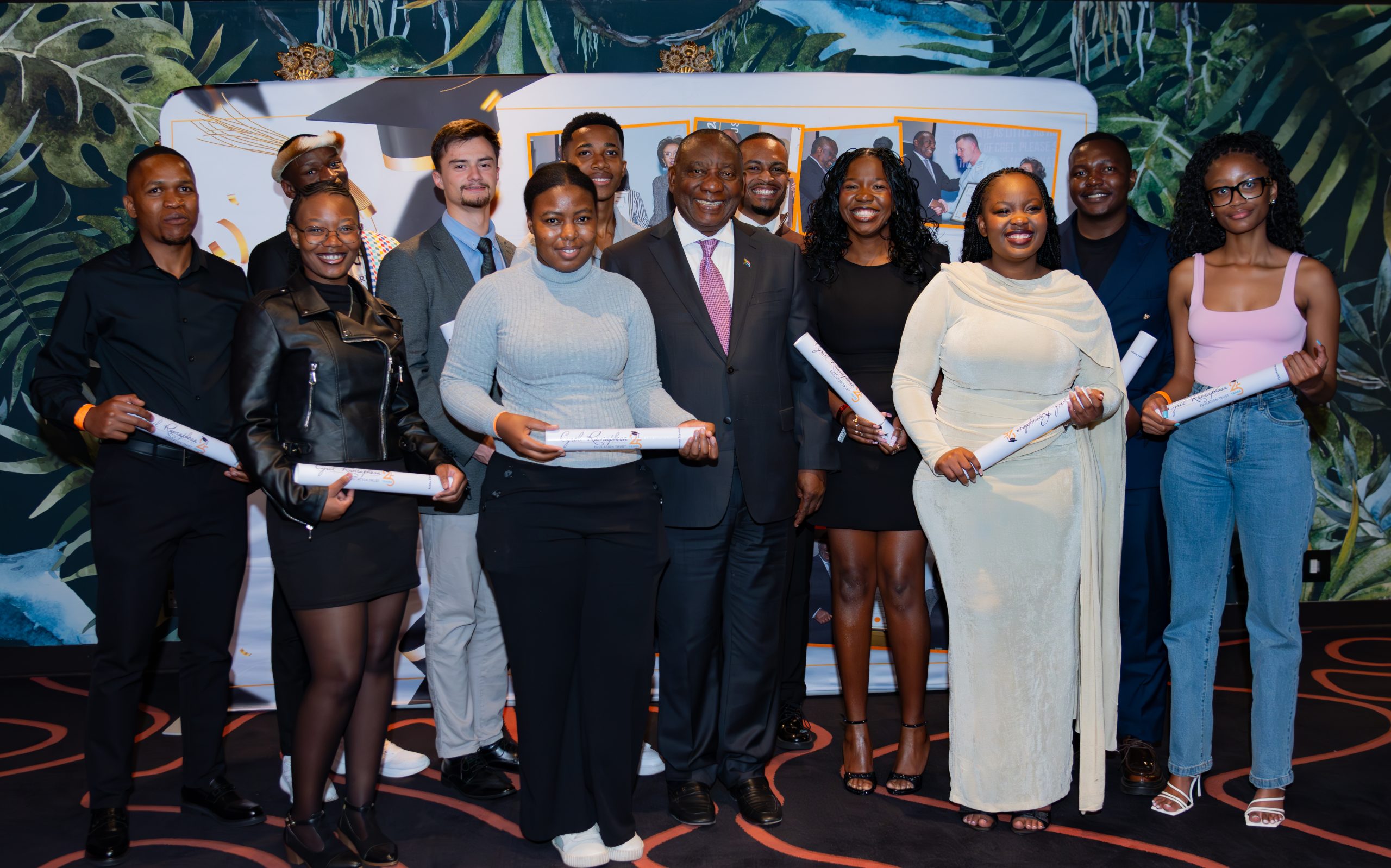
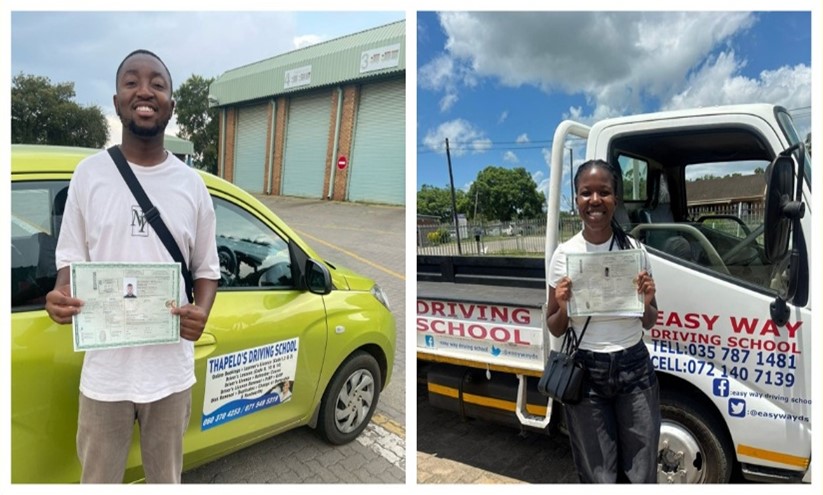
Access to opportunity must also continue beyond school. The Cyril Ramaphosa Education Trust supports youth through holistic development, higher education funding, skills development pathway initiatives and mentorship, helping young people transition into meaningful participation in the economy.
At the same time, Black Umbrellas advances entrepreneurship and small enterprise development, enabling emerging businesses to grow, create jobs, and contribute to local economic activity.
Together, these areas of work illustrate how inclusive development is most effective when interventions are connected. Supporting a learner, strengthening a family, enabling access to higher education, and promoting entrepreneurship are not isolated efforts, they form part of a broader ecosystem that expands opportunity and promotes long-term socioeconomic inclusion.
Collaboration across sectors further strengthens this ecosystem. Partnerships with business, government, civil society, and communities bring additional expertise, resources, and reach. They enable innovation, reduce duplication, and align efforts toward shared outcomes. Most importantly, they allow development initiatives to scale and respond to evolving needs.
Yet the scale of South Africa’s challenges requires even greater collaboration. Expanding support for schools, empowering more women and children, increasing access to higher education, and enabling more entrepreneurs to succeed depends on partners willing to invest resources, share knowledge, and co-create solutions.
Inclusive development is a shared responsibility, and meaningful progress relies on collective commitment. Through stronger cross-sector collaboration, more can be done to extend opportunity and accelerate sustainable change.